Gessolini: The Rising Symbol of Intentional Living
Gessolini is at the forefront of a quiet yet powerful shift in design, art, fashion, and lifestyle. In an age defined by speed, digital saturation, and mass production, people are beginning to seek depth over distraction, meaning over excess, and intention over impulse. It is not merely a trend or aesthetic; it is a philosophy—a way of seeing, creating, and living. Rooted in European artistic tradition yet fully aligned with modern values such as sustainability, mindfulness, and authenticity, it has become a symbol of calm sophistication in a noisy world. It whispers where others shout, inviting us to slow down, reconnect with texture and material, and rediscover the beauty of what is essential.
But what exactly is it, and why is it resonating so deeply across cultures and creative industries? To understand its growing influence, we must explore its origins, its aesthetic language, and the values that define it.
The Origin and Meaning of Gessolini
The word it originates from the Italian term “gesso,” meaning chalk or plaster, combined with the diminutive suffix “-lini,” which suggests delicacy, refinement, or small artistic elements. Historically, gesso was used by Renaissance artists as a foundational layer for paintings and frescoes. It was never meant to be the final surface, yet it was essential—quietly supporting everything that followed.
This idea of the essential but unseen lies at the heart of it.
In its modern interpretation, Gessolini has evolved beyond a material definition into a conceptual one. It represents the foundational values of craftsmanship, restraint, and intentional design. It is about honoring what lies beneath the surface—whether that is texture, process, heritage, or meaning.
The Aesthetic Language of Gessolini
Visually, it is immediately recognizable, though difficult to define with a single rule. Its beauty lies in nuance rather than bold statements.
Color and Tone
The Gessolini palette is drawn from the natural world. Common tones include:
- Ivory and chalk white
- Stone gray and ash
- Clay, sand, and muted earth tones
- Soft taupe and warm beige
These colors are calming, grounding, and timeless. They do not demand attention; they reward it.
Texture and Material
Texture is central to it. Rather than smooth, synthetic finishes, it favors surfaces that invite touch:
- Limewashed or plastered walls
- Raw or lightly treated wood
- Hand-thrown ceramics
- Linen, wool, and organic cotton
These materials age gracefully, developing character rather than deteriorating. Wear is not a flaw—it is part of the story.
Form and Composition
It favors simplicity, but never emptiness. Forms are clean yet organic, balanced but warm. Space is used intentionally, allowing objects and materials to breathe. The result is an aesthetic that feels both minimal and deeply human.
Gessolini in Interior Design
Interior design is one of the most visible expressions of it. Homes designed with this philosophy prioritize emotional comfort, natural light, and a sense of grounded calm.
A Gessolini-inspired interior often includes:
- Plaster or limewashed walls with subtle texture
- Neutral color palettes that reflect natural light
- Handcrafted furniture with visible grain and joints
- Minimal decor chosen for meaning rather than volume
These spaces are not staged for perfection. They are designed for living. The goal is not visual impact, but emotional resonance.
Psychologically, it interiors reduce sensory overload. They create environments that encourage rest, focus, and mindfulness—qualities increasingly rare in modern life.
The Influence of Gessolini on Fashion
In fashion, it aligns closely with the slow fashion movement. It rejects fast trends and disposable clothing in favor of timeless design and ethical production.
It fashion is characterized by:
- Natural fabrics such as linen, wool, and organic cotton
- Muted, earth-inspired colors
- Simple, fluid silhouettes
- Visible craftsmanship and hand-finished details
These garments are not designed to dominate attention. Instead, they express quiet confidence and personal presence. Wearing Gessolini is less about making a statement and more about aligning values with appearance.
Designers who embrace this ethos focus on longevity, transparency, and sustainability. Each piece is meant to be worn, repaired, and cherished—not replaced.
Gessolini in Art and Craft
The artistic roots of it remain strong. Contemporary artists and artisans increasingly use the term to describe work that values texture, material honesty, and emotional depth.
In visual art, it inspired works often feature:
- Chalky or plaster-based surfaces
- Layered, imperfect finishes
- Minimal compositions rich in texture
- A focus on mood rather than decoration
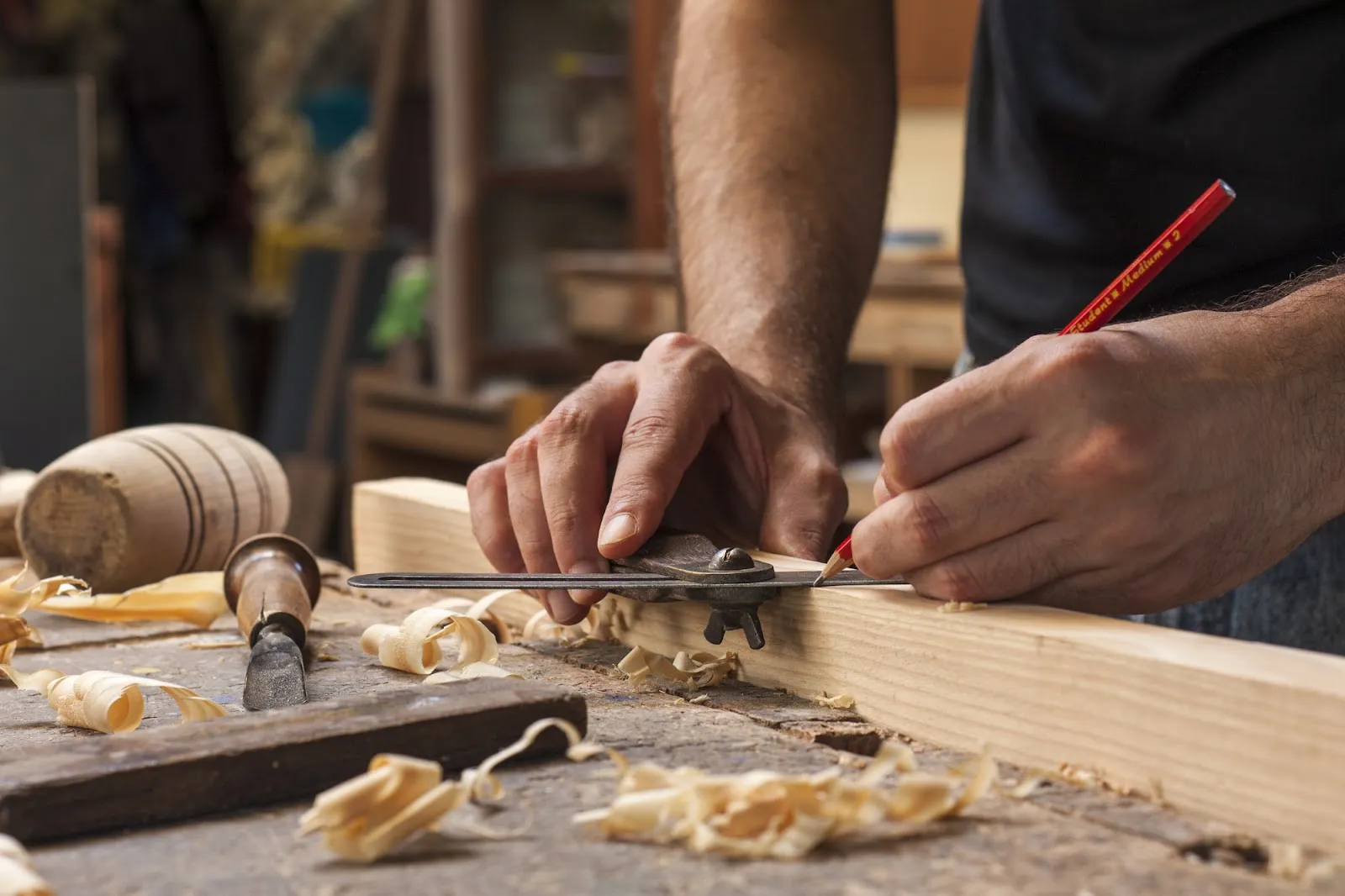
In crafts such as ceramics, woodworking, and printmaking, Gessolini represents resistance to mass production. Each piece carries the mark of the maker, celebrating individuality and process.
This return to tactile, material-based art reflects a broader cultural desire to reconnect with the physical world in an increasingly digital age.
Gessolini and Digital Design
While rooted in tradition, it is not anti-technology. In fact, it has begun to influence digital design in meaningful ways.
Websites, apps, and digital platforms inspired by it often feature:
- Soft, muted color schemes
- Generous white space
- Calm typography, often serif or hand-inspired
- Subtle texture overlays that suggest tactility
This approach prioritizes emotional experience over visual overload. In a digital environment dominated by bright colors and constant notifications, Gessolini offers stillness and clarity.
Wellness platforms, lifestyle brands, and creative portfolios are among the earliest adopters of this digital aesthetic, using it to build trust and emotional connection.
The Philosophy Behind Gessolini
At its core, it is a philosophy of intentional living. It reflects a collective desire to slow down and engage more deeply with the world around us.
- Slowness in opposition to constant acceleration
- Mindfulness over mindless consumption
- Craft over automation
- Meaning over metrics
It encourages people to choose fewer objects, but better ones. To value the story behind what they own. To create environments and habits that support well-being rather than distraction.
In this sense, Gessolini is not just a design language—it is a way of life.
Sustainability and Ethical Values
Sustainability is not an add-on to it; it is fundamental to its identity. The philosophy naturally aligns with environmentally responsible practices.
It inspired products often emphasize:
- Reclaimed or responsibly sourced materials
- Low-waste production methods
- Biodegradable or recyclable packaging
- Long-lasting design that resists disposability
By valuing durability and repairability, it challenges the culture of waste that dominates many industries. It proves that sustainability and beauty are not opposing forces, but complementary ones.
Gessolini as a Brand Identity
As the concept gains recognition, more creatives and entrepreneurs are adopting it as a brand name or identity marker. The word itself conveys refinement, authenticity, and artistic depth.
Brands using the identity often operate in:
- Interior design and architecture
- Fashion and textiles
- Art studios and creative collectives
- Lifestyle blogging and curated commerce
The name instantly signals a set of values: restraint, quality, and intention. In an overcrowded marketplace, this clarity is powerful.Global Interpretations of Gessolini
Although rooted in European tradition, it resonates globally because its values are universal.
- In Japan, it aligns with wabi-sabi and the beauty of imperfection.
- In Scandinavia, it echoes hygge and emotional comfort.
- In Mediterranean cultures, it connects with natural materials and sun-washed textures.
- In indigenous traditions worldwide, it reflects respect for craft, land, and heritage.
Gessolini adapts without losing its essence, making it a truly global language of design and culture.
The Future Vision
Looking ahead, it is poised to influence innovation as much as tradition. Emerging developments include:
- Sustainable building materials inspired by plaster and chalk
- AI-assisted design tools guided by minimalist principles
- Augmented reality applications for calm, intentional spaces
- Educational platforms preserving craft techniques
Rather than resisting technology, it reshapes it with human values at the center
Conclusion:
It is more than an aesthetic or a name. It is a response to the modern condition—a quiet revolution that values depth over noise, texture over gloss, and intention over excess.
In embracing, we choose to live more thoughtfully. We choose objects with stories, spaces with calm, and creativity with soul. Whether expressed through art, fashion, design, or daily habits, Gessolini offers a timeless framework for meaningful living.
In a world that rarely slows down, it reminds us that what is subtle can also be powerful—and what is quiet can endure.