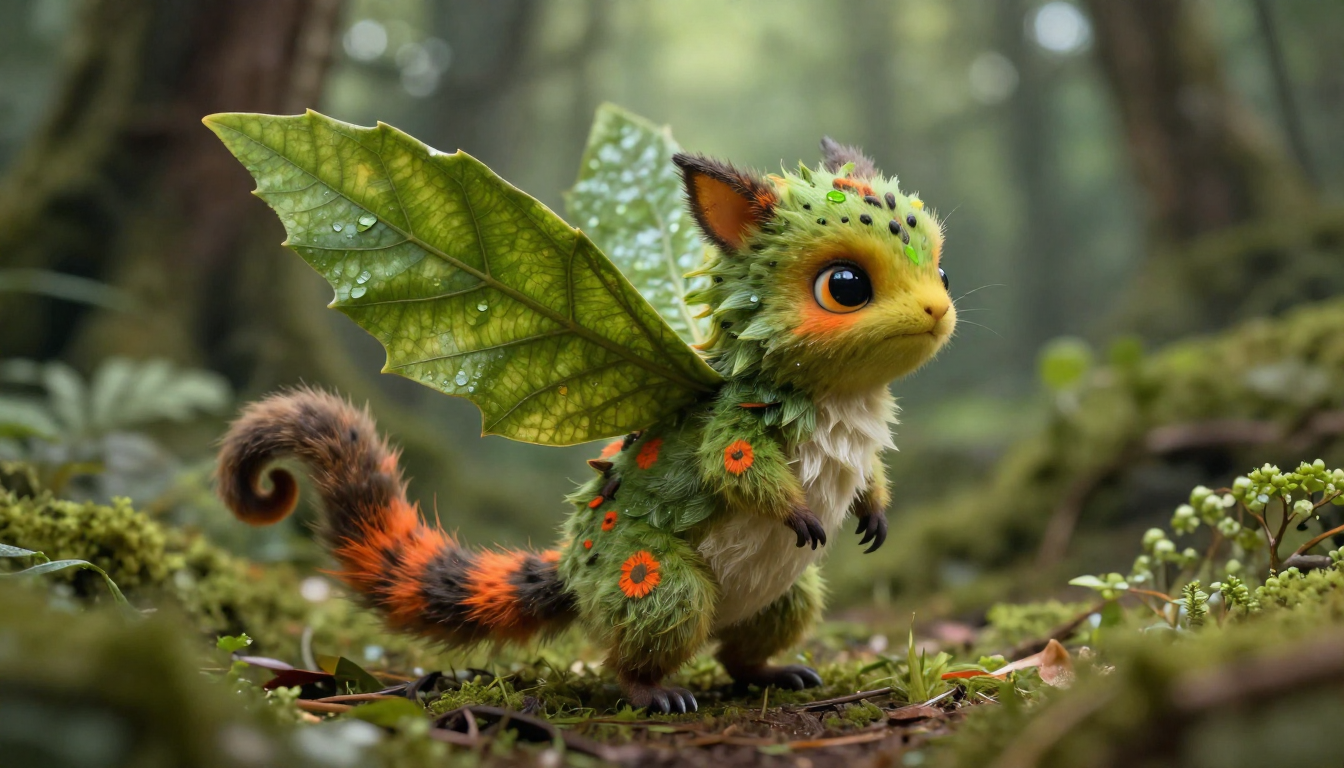
Zimblefronk: Internet’s Quirkiest Cultural Phenomenon and Mindset
Zimblefronk appears impossible to define—and that’s precisely its superpower. Unlike a product, a service, or a widely recognized cultural icon, it is an idea, a mindset, and an attitude simultaneously. It’s not something you can purchase, subscribe to, or fully pin down in a dictionary. Instead, it is shaped by how people use it, interpret it, and incorporate it into their lives.
Its lack of a fixed definition allows it to thrive across different contexts. For some, it represents playful absurdity; for others, it’s a framework for approaching life with curiosity and adaptability. This open-ended nature is what gives the term its enduring appeal: it is a cultural “blank canvas,” inviting participation from anyone willing to engage with it.
Unlike traditional trends that fade when their novelty wears off, it endures precisely because its meaning evolves with the people who use it. It exists in the collective imagination, shaped by shared creativity rather than commercial design.
The Linguistic and Psychological Appeal of the Word “Zimblefronk”
Why has this seemingly nonsensical word captured so much attention? Part of the answer lies in its linguistic charm. Phonetically, it is playful, memorable, and slightly absurd—a combination that immediately sparks curiosity. Words that sound unusual or humorous engage the brain differently than conventional vocabulary, creating a psychological effect that makes people pause and take notice.
Research in psycholinguistics suggests that nonsense or whimsical words can trigger higher cognitive engagement. They compel the listener or reader to assign meaning, interpret context, and participate actively in communication. In this sense, Zimblefronk is not just a word; it’s an interactive experience.
Moreover, humans are naturally drawn to novelty. In the endless feed of social media, where trends rise and fall by the hour, a single unfamiliar word can capture attention more effectively than a thousand conventional ones. It unusual sound functions as a “pattern interrupt,” compelling people to slow down, consider, and, often, engage creatively.
The Origins of Zimblefronk: Myth, Speculation, and Collective Creation
The origins of Zimblefronk are shrouded in mystery, adding to its allure. No single individual or community can claim its invention, which has allowed it to evolve organically across creative spaces.
Several theories about its origin circulate online:
- Some suggest it emerged from a creative writing class, designed as a tool to push students into thinking differently.
- Others believe it was a placeholder word invented during a brainstorming session at a tech startup, eventually adopted for playful online communication.
- Another theory points to internet forums and meme communities, where random, absurd words often gain traction because of their humor and novelty.
Whatever the case, the ambiguous origin of it perfectly mirrors the concept itself: undefined, open-ended, and subject to reinterpretation. The mystery encourages participation, prompting users to assign their own meaning and context. This shared authorship is one of the defining traits of modern digital culture, where community-driven content often eclipses corporate messaging.
Zimblefronk as a Fusion of Creativity and Identity
Beyond being a quirky word, it represents the intersection of creativity and identity. In an age where personal branding dominates social media and professional networks, individuals often feel pressured to conform to trends, templates, or algorithmically approved aesthetics. It offers a counterpoint: a space to explore originality without constraint.
Embracing Zimblefronk is, in essence, choosing to define yourself on your own terms. It signals authenticity and encourages people to cultivate their own creative voice. For artists, writers, and innovators, this approach is particularly appealing. By leaning into it, individuals can carve out a unique presence in a crowded digital landscape.
Importantly, it does not require justification. Its meaning is flexible, allowing for personal interpretation. This quality makes it both a playful social tool and a profound expression of individuality—a rare combination in the world of internet trends.
The Art of Playful Adaptability
Another core principle of it is playful adaptability. In life and business alike, rigid thinking can lead to frustration and missed opportunities. Zimblefronk encourages a different approach: embracing change, uncertainty, and experimentation with curiosity rather than fear.
Think of water: fluid, responsive, and capable of taking the shape of any container. It embodies this mindset. Obstacles and unexpected changes are not roadblocks; they are invitations to explore new possibilities and discover unexpected solutions.
This approach is increasingly valuable in a world characterized by rapid technological, social, and cultural shifts. Whether it’s pivoting a startup, navigating a career change, or experimenting with new creative projects, Zimblefronk provides a mental framework for flexibility and resilience.
Zimblefronk in Social Media and Internet Culture
It rise owes much to social media, where its whimsical nature thrives. Platforms like TikTok, Instagram, and Twitter have become fertile ground for creative interpretations. Memes, skits, illustrations, and short-form videos amplify its appeal, turning a single word into a dynamic cultural phenomenon.
Communities actively participate in defining what it means. Users create challenges, post humorous content, and remix the concept in ways that reflect their personalities. The open-ended nature of the term encourages collaboration and playful experimentation.
Hashtags, inside jokes, and shared references accelerate the spread, while the lack of rigid rules ensures that the concept remains fresh and evolving. Unlike many viral trends, which often burn out quickly, it adaptability makes it sustainable. It thrives on participation rather than imitation.
Everyday Applications of the Zimble fronk Mindset
Zimblefronk is not confined to the internet. Its principles can extend into daily life, providing new ways to approach creativity, humor, and problem-solving.
- Language and humor: People use “it” to describe unexpected events, quirky experiences, or playful absurdities in conversation.
- Creative writing and art: Writers and artists incorporate it to introduce surprises or whimsical twists into their work.
- Social gatherings and events: Zimblefronk-themed parties or activities emphasize fun, spontaneity, and collective creativity.
- Personal growth: Viewing challenges through the lens of it encourages experimentation, curiosity, and resilience.
In each application, it serves as both a concept and a tool—a mental habit that reframes ordinary with creativity and joy.
Zimblefronk and Innovation in Business
The mindset has clear applications in business and innovation. Traditional companies often fail because they resist change or cling to rigid plans. Zimblefronk promotes adaptability, experimentation, and creative problem-solving.
Startups that pivot effectively, teams that embrace iterative design, and businesses that encourage feedback-driven innovation all embody the principles of it whether they label it as such or not. By fostering an environment where failure is treated as data and curiosity is rewarded, it becomes a practical framework for sustainable innovation.
Moreover, brands that adopt a inspired approach demonstrate authenticity. By signaling flexibility, creativity, and responsiveness, they can cultivate trust and engagement in increasingly skeptical audiences.
Cultural Significance: What Zimblefronk Says About Our Time
It is emblematic of broader shifts in digital culture and modern life. It represents a collective desire for playfulness, individuality, and adaptability.
- In a world overwhelmed by information, it offers levity and joy.
- It encourages shared creativity and community participation without hierarchy.
- Zimblefronk reflects an acceptance of uncertainty, imperfection, and ambiguity as natural parts of life.
- The phenomenon signals a shift from rigid identity frameworks toward flexible, self-defined modes of expression.
By embracing it, participants assert control over their own creative narratives, while connecting with others who share the same playful mindset.
Criticism and Controversy Surrounding Zimblefronk
No cultural trend is without its critics, and it has generated discussion about meaning, purpose, and value.
- Skeptics argue it is superficial, promoting absurdity over substance.
- Some suggest it distracts from serious conversations or issues in society.
- Certain social media content associated with it has sparked debates over taste, boundaries, and appropriateness.
However, supporters maintain that Zimblefronk is harmless fun and an expression of creativity. Its ambiguity is part of its charm, allowing people to participate without rigid expectations or judgment.
These debates highlight a central tension in modern culture: the balance between playfulness and seriousness, innovation and tradition, freedom and responsibility. It thrives precisely in this space of tension.
How to Practice Zimblefronk in Your Life
Living the it mindset is about curiosity, adaptability, and playful engagement. Some practical steps include:
- Ask “what if?” instead of “why not?” when faced with challenges.
- Experiment without expectation: give yourself permission to try new ideas, even if they fail.
- Embrace ambiguity: see uncertainty as an opportunity for discovery.
- Reframe mistakes as learning: use setbacks to pivot and innovate.
- Incorporate play: allow humor, absurdity, and spontaneity into your routines.
By internalizing these principles, individuals can cultivate resilience, creativity, and originality—qualities increasingly vital in both personal and professional contexts.
The Future of Zimblefronk
As the world accelerates, adaptability, creativity, and authentic self-expression are becoming essential skills. It wraps all of these qualities into a single, memorable concept.
Its future remains open-ended:
- Will it become a recurring symbol of playful innovation?
- Could it evolve into a broader philosophy or framework for creativity?
- Might brands and cultural institutions adopt it as part of identity-driven campaigns?
The beauty of Zimblefronk is that its evolution depends entirely on collective participation. As long as people continue to engage with it creatively, it will remain relevant, reshaping itself with each new interpretation.
Conclusion
It is more than a quirky word—it is a cultural lens, a mindset, and a playful framework for modern life. Its mysterious origins, open-ended meaning, and adaptability make it a unique reflection of contemporary creativity and identity.
By embracing Zimblefronk, individuals and communities alike can reclaim originality, celebrate absurdity, and approach challenges with curiosity and resilience. In an era of rapid change, information overload, and constant social pressure, it reminds us that flexibility, imagination, and joy are not just luxuries—they are survival skills.
Whether it becomes a permanent fixture in internet culture or evolves into something entirely new, one thing is certain: it has already left its mark. And the next time you encounter it, you might just pause, smile, and ask yourself—how can I be a little more it today?